
2026 List of USDA-Approved Lenders: Best Choices to Pick
If you want to buy a house in a rural or suburban area this year without putting any money down, a USDA loan is still your best bet. However, finding the right financing partner isn't always easy. In my experience, you absolutely have to shop around to get the most favorable rates and avoid strict approval hurdles.
To save you from wasting hours making blind phone calls, I've put together this updated 2026 guide. I also highly recommend using a free AI mortgage marketplace like Bluerate to instantly match and consult with experienced, local loan officers who actually specialize in these zero-down programs.
Key Takeaways
- Zero Down Payment: USDA loans remain one of the few ways to buy a home with 0% down in 2026.
- Location & Income Limits: Your target property must be in an eligible rural/suburban zone, and your household income cannot exceed 115% of the area's median income.
- The Right Partner Matters: Not all institutions process these government-backed mortgages efficiently. We've handpicked six top-tier options based on specific borrower needs.
Top 6 USDA-Approved Mortgage Lenders of 2026
Before we dive into the list, let me explain how I selected these winners. I evaluated dozens of institutions based on their official NMLS records, customer satisfaction scores, processing speeds, and whether they had dedicated underwriting teams for government loans.
Here are the best choices tailored to your unique financial situation.
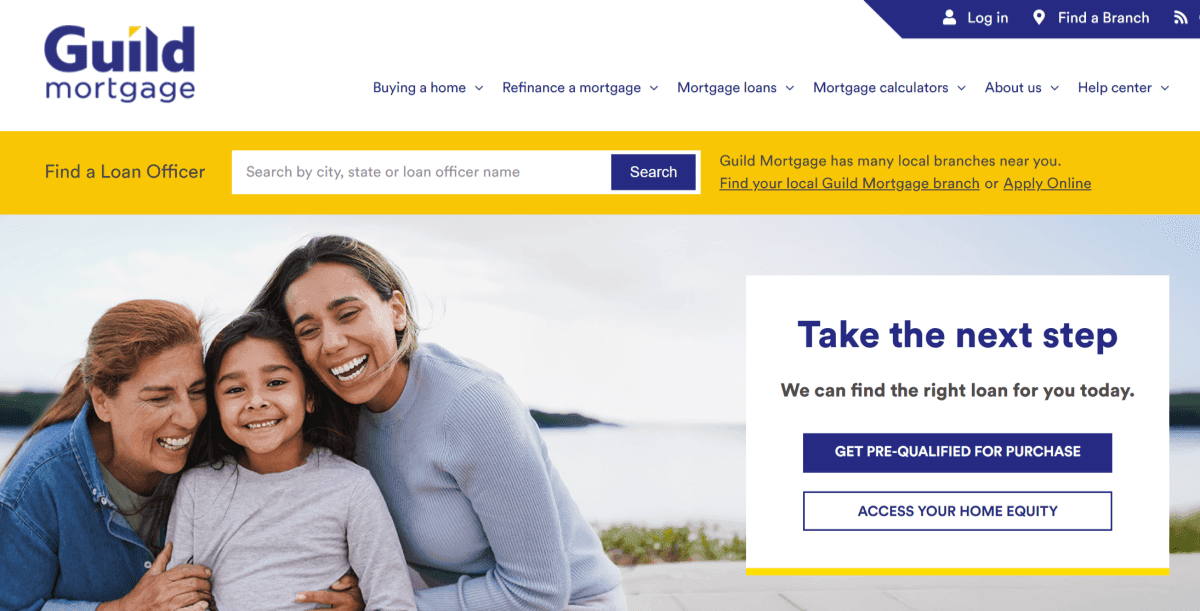
Best for Bad/No Credit: Guild Mortgage
- NMLS: 3274
- States: Available in 49 states (excludes New York)
When I talk to buyers who are worried about their past financial mistakes, I almost always point them toward Guild Mortgage. While the Department of Agriculture doesn't set a strict official minimum credit score, many banks enforce their own harsh "overlays" requiring a 640 or higher. Guild stands out because they are incredibly forgiving.
They are known for looking at the whole picture rather than just a threedigit number. If you don't have a traditional credit history, their loan officers often accept alternative payment records, like consistent rent or utility bills, to get you approved.
Highlights:
- Accepts alternative credit histories (rent, phone bills).
- Flexible minimum credit score requirements compared to big banks.
- Retains servicing for most of their loans, meaning you won't deal with a random third party later.
- High customer satisfaction ratings for clear communication.
- Excellent local branch presence across rural America.
Best for First-Time Homebuyers: Flagstar Bank
- NMLS: 417490
- States: All 50 states
Stepping into the housing market for the first time is terrifying, especially when navigating complex government guidelines. Flagstar Bank takes the anxiety out of the equation. Forbes actually recognized them as a top choice for first-timers, and it is easy to see why.
They provide an impressive suite of educational resources and transparent fee structures so you never feel blindsided at the closing table. Plus, they often help first-time buyers stack local state grants with the zero-down USDA structure to cover closing costs.

Highlights:
- Award-winning support specifically tailored for first-time buyers.
- Ability to combine USDA benefits with localized down payment assistance programs.
- A straightforward, highly transparent online application process.
- Competitive interest rates with lower-than-average origination fees.
- Dedicated loan advisors who patiently walk you through the paperwork.
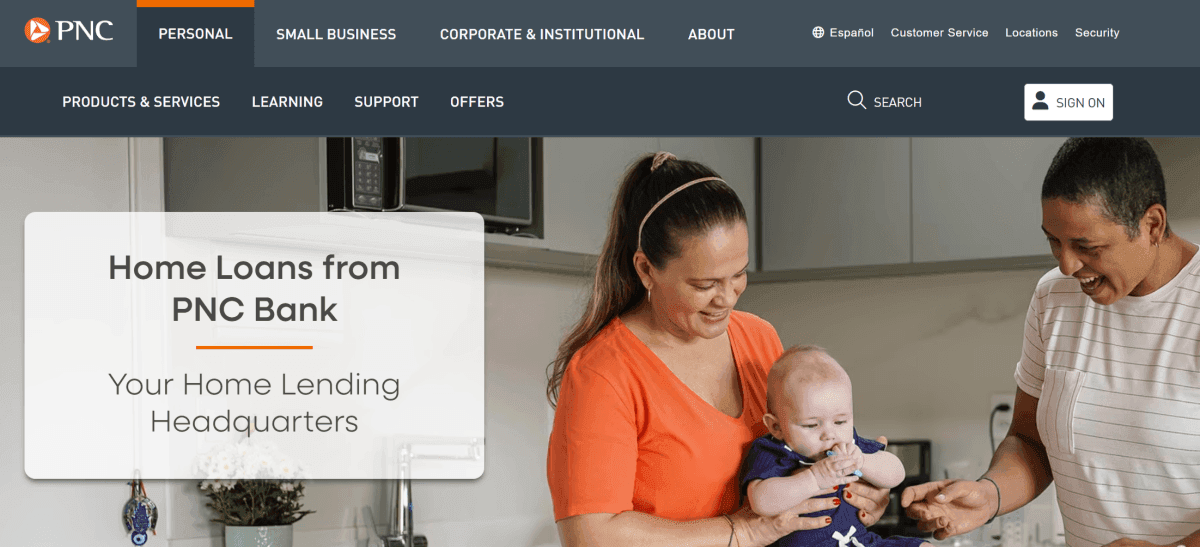
Best for In-Person Experience: PNC Bank
- NMLS: 446303
- States: Nationwide
Look, I get it. Not everyone wants to upload their sensitive tax returns to a faceless portal. If you prefer shaking hands with a real human and having someone physically sit down to explain your closing disclosures, PNC Bank is your winner.
They have a massive footprint of brick-and-mortar branches across the country. Applying for rural financing involves a lot of moving parts, and having a dedicated PNC loan officer you can visit locally brings a massive level of comfort to traditional buyers who want a hands-on approach.
Highlights:
- Thousands of physical branches for face-to-face consultations.
- Highly personalized guidance through the complex dual-approval process.
- Strong financial stability and integrated banking discounts.
- Option to easily switch between a digital portal and in-person support.
- Specialized Home Lending Customer Service Center available extended hours.
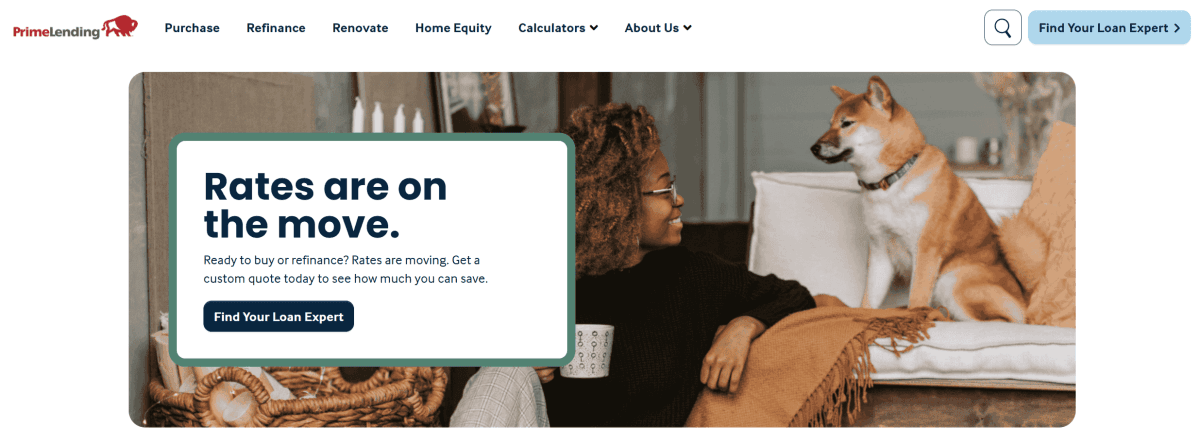
Best for Speed: PrimeLending
- NMLS: 13649
- States: Available in multiple states (check specific availability).
The biggest drawback of this government program is the timeline. Because your file must be approved by both the lender and the local rural development office, closings can sometimes drag out for 45 to 60 days. PrimeLending tackles this pain point aggressively. They have a reputation in the industry for lightning-fast internal turnarounds.
By utilizing an advanced digital tracking system, their underwriters catch missing documents early, significantly shrinking the time it takes to get you to the closing table. If your seller wants a fast transaction, this is the team you want.
Highlights:
- Streamlined internal underwriting cuts down standard processing times.
- Excellent mobile app for instantly scanning and uploading required documents.
- Proactive loan officers who prep files perfectly for the government review phase.
- Real-time status updates so you never have to guess where your file is.
- Consistently meets tight closing deadlines.
Best for Customer Experience: CrossCountry Mortgage
- NMLS: 3029
- States: All 50 states
Sometimes a borrower's financial profile is just plain complicated. Maybe you have a mix of W-2 income and side-hustle money, or a recent job change. CrossCountry Mortgage excels at untangling messy situations without making the client feel stressed.
They are currently the nation's top distributed retail lender, boasting over 8,000 employees and incredibly high client satisfaction scores. Their representatives are famous for being highly responsive. They don't just put you into an automated system. They actually listen to your specific scenario and find a path to approval.
Highlights:
- Top-tier problem solvers for borrowers with complex income types.
- Fast communication. You won't wait days for an email reply.
- Coverage across all 50 states.
- User-friendly online portal combined with highly attentive human support.
- Over 120 different loan solutions if USDA doesn't end up being your best fit.
Best for New Construction: DHI Mortgage Company
- NMLS: 14622
- States: Licensed in 33 states (primarily where D.R. Horton builds).
Did you know you can use a USDA loan to buy a brand-new house? Since many new subdivisions are built on the outskirts of cities, they often fall perfectly within eligible rural maps. DHI Mortgage is the affiliated financial arm of D.R. Horton, America's largest homebuilder. If you are purchasing one of their new builds, using DHI is a no-brainer.
They offer a completely seamless integration between the construction timeline and your mortgage approval, often throwing in massive closing cost incentives that you simply won't get from an outside bank.
Highlights:
- Unbeatable synergy if you are buying a newly built D.R. Horton property.
- Frequent promotional incentives, such as heavy closing cost credits or rate buy-downs.
- Deep expertise in handling new construction appraisals and rural boundary requirements.
- Simplifies communication between the builder and the underwriter.
- Highly streamlined transition from application to your final walk-through.
What to Look for in a USDA Lender
Choosing the wrong financing partner can turn a dream purchase into a nightmare. Here is exactly what you need to watch out for during your search:
- Approved Status: Always verify they are an officially approved USDA direct or guaranteed lender. Not every bank has the authority to issue these.
- Lender Overlays: This is crucial. The government guidelines are quite relaxed, but banks usually add their own strict rules (overlays) on top. Ask upfront: "Do you have overlays for credit scores or debt-to-income ratios?"
- Turnaround Times: Because of the dual-approval requirement (bank + government office), ask them what their average closing timeline looks like right now.
- Local Expertise: Rural property appraisals require specific knowledge, like assessing private wells or septic tanks. You want someone who actively funds loans in your specific county.
How to Find a USDA Lender Near Me?
When you are ready to start making moves, you generally have two ways to track down a qualified professional in your area:
- The USDA Official Website: You can comb through the government's official state-by-state PDF rosters. The upside is that it's authoritative and comprehensive. The downside? It's basically a massive phone book. You have to manually call each institution, wait on hold, and repeat your story a dozen times just to compare rates.
- Bluerate.ai: This is my preferred shortcut. Bluerate is an AI-powered marketplace that instantly connects you with vetted, NMLS-licensed loan officers nearby who specialize in these exact programs. The major benefit here is speed and privacy. You can compare accurate live rates anonymously without having your inbox spammed by lead-generation companies. The only minor drawback is that extremely remote regions might have slightly fewer active agents on the platform. Also Read: How to Get a USDA Loan? Qualify, Apply & Approve
FAQs About Top USDA Lenders
Q1. Which is better USDA or FHA?
It entirely depends on your location and goals. If you are buying in an eligible suburban/rural area and want to put zero down, USDA wins hands down. If you want to buy closer to a city center or have a credit score hovering around 580, an FHA loan (which requires 3.5% down) is the better route.
Also Read: USDA Loan vs FHA Loan: Which is Your Best Fit?
Q2. What is the maximum income for USDA loans?
There is a strict household income cap. Generally, your total household income cannot exceed 115% of the median income for your specific area. Because this limit changes based on your county and family size, you must check the official income eligibility calculator online to get your exact number.
Q3. What credit score do you need for a USDA loan?
The government doesn't publish a hard minimum, but to run your file through their automated Guaranteed Underwriting System (GUS), most institutions want to see a score of 640 or higher. If you fall below 640, you'll need a manual underwriting review, which requires a highly flexible lender.
Q4. What is the interest rate for a rural home loan?
Because the federal government backs these mortgages, the interest rates are typically slightly lower than standard conventional loans. However, your exact rate will always depend on the daily market trends, your credit profile, and the specific institution you choose.
Q5. What does USDA mean?
It stands for the United States Department of Agriculture. While it sounds strange for the agriculture department to handle housing, the program was created decades ago to promote economic growth and homeownership in less densely populated rural and suburban communities.
Final Word
Securing a USDA loan in 2026 remains an incredible financial hack for buyers looking to preserve their savings. With zero down payment requirements and lower-than-average interest rates, it is an opportunity you shouldn't ignore if you prefer life outside the busy city limits.
Before you fall in love with a property, go to the official rural development website to ensure your target neighborhood is actually on their eligible map. Once you know where you want to buy, don't just accept the first rate you are offered. Head over to Bluerate to safely and quickly match with an expert loan officer who can map out your buying power today. Take that first step, and unlock your path to homeownership!
People Also Read
