
Mortgage Application Explained: Definition, Requirements, and FAQs
Walking into your first home purchase can make you feel lost in a sea of acronyms and fine print. If you aren't sure what actually goes into a mortgage application, don't worry. I'll walk you through the real paperwork lenders ask for, how they review your numbers, and what to expect every step of the way so you feel completely ready.
Key Takeaways
-
Most US lenders use Form 1003 to review your financial profile.
-
Approvals hinge on your income, total assets, monthly debts, and the home appraisal.
-
You legally get a Loan Estimate breakdown within three business days of applying.
-
Keep your job, credit, and bank balances steady throughout the underwriting stage.
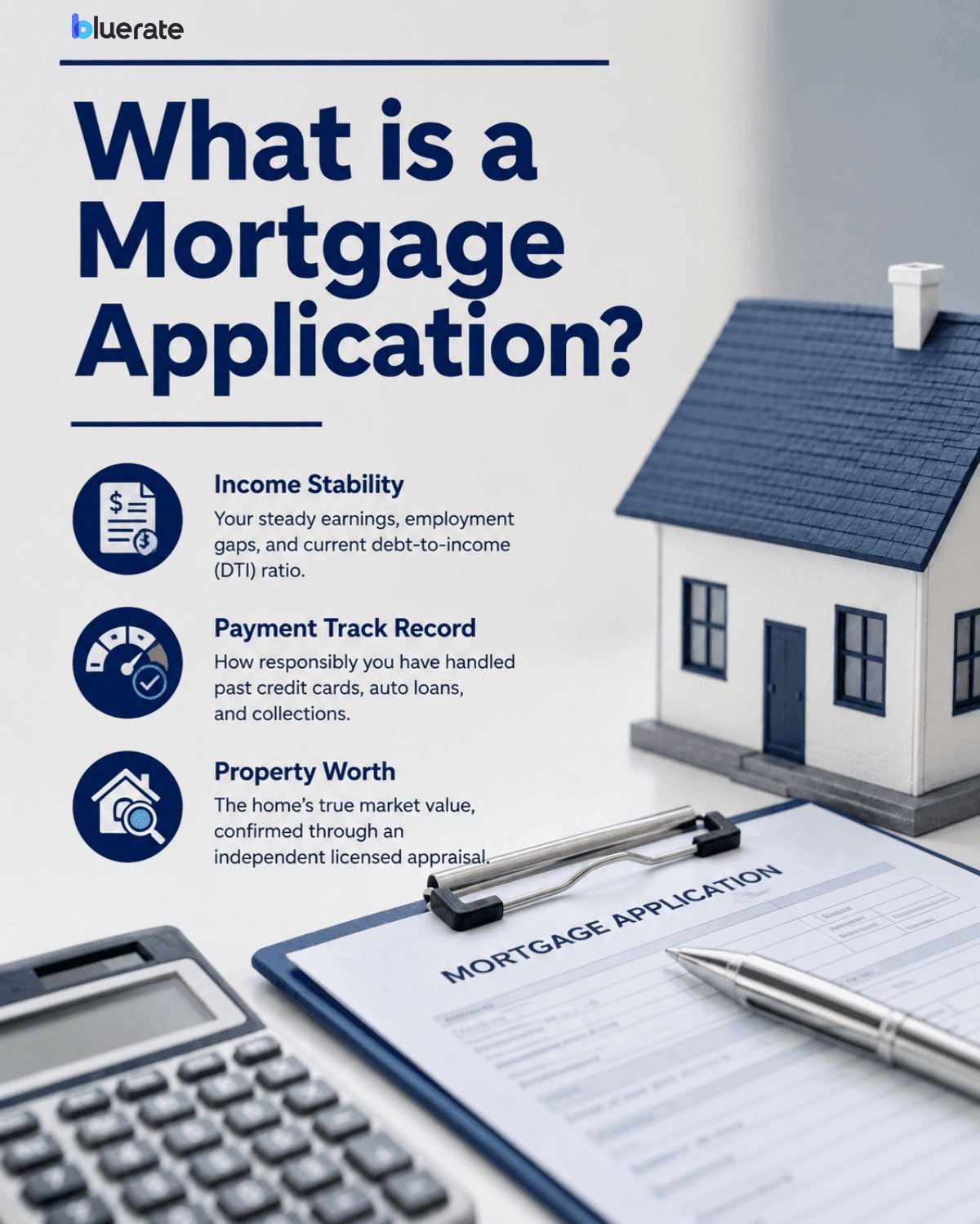
What is a Mortgage Application?
A mortgage application is the official paperwork you hand to a bank or lender when asking them to fund your home purchase. It isn't just an inquiry. It's a signed legal statement authorizing them to dig into your financial background and verify every dollar you make and owe.
When underwriters look over your file, they are trying to answer one basic question: can you realistically afford this loan without defaulting? To figure that out, they look closely at:
-
Income stability: Your steady earnings, employment gaps, and current debt-to-income (DTI) ratio.
-
Payment track record: How responsibly you have handled past credit cards, auto loans, and collections.
-
Property worth: The home's true market value, confirmed through an independent licensed appraisal.
What is Included in a Mortgage Application Form?
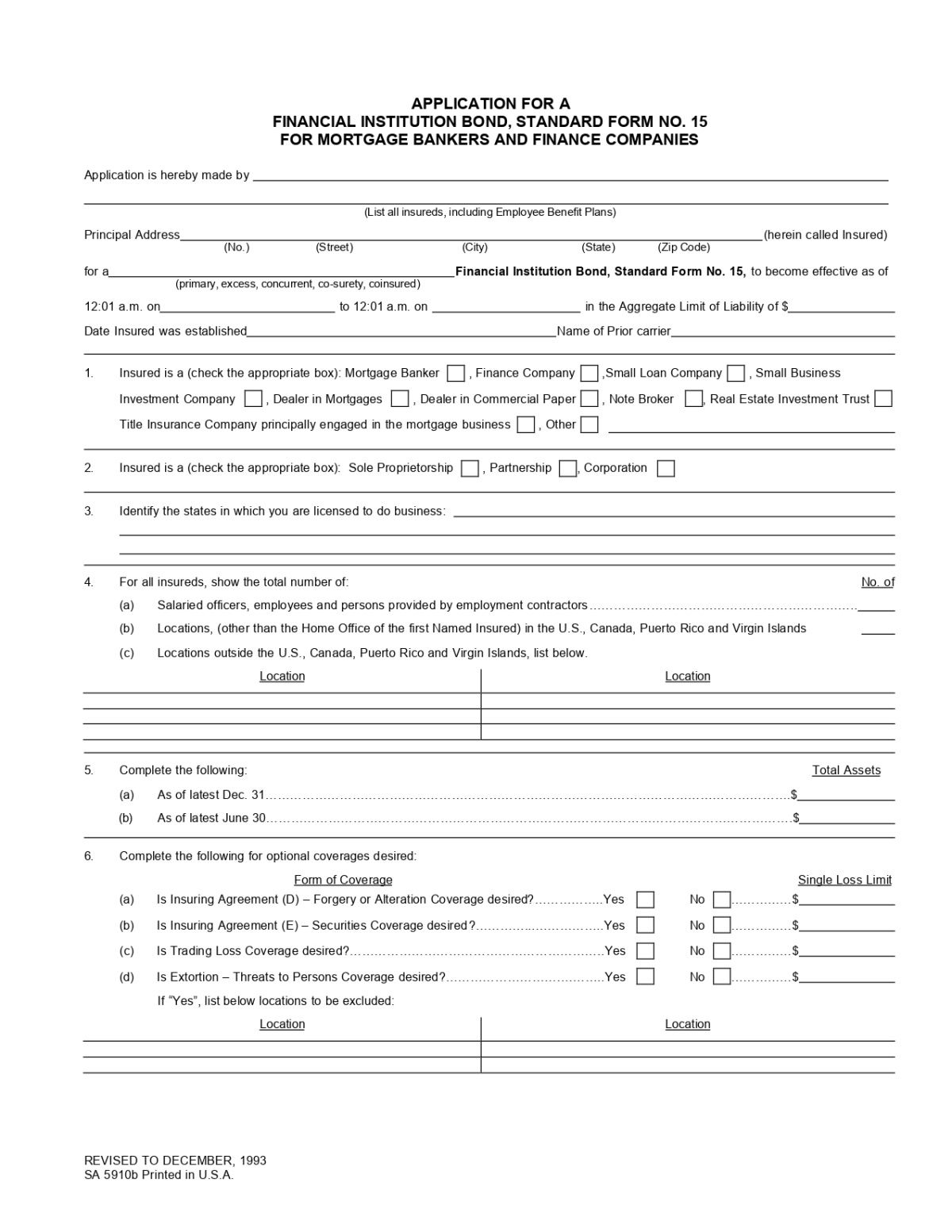
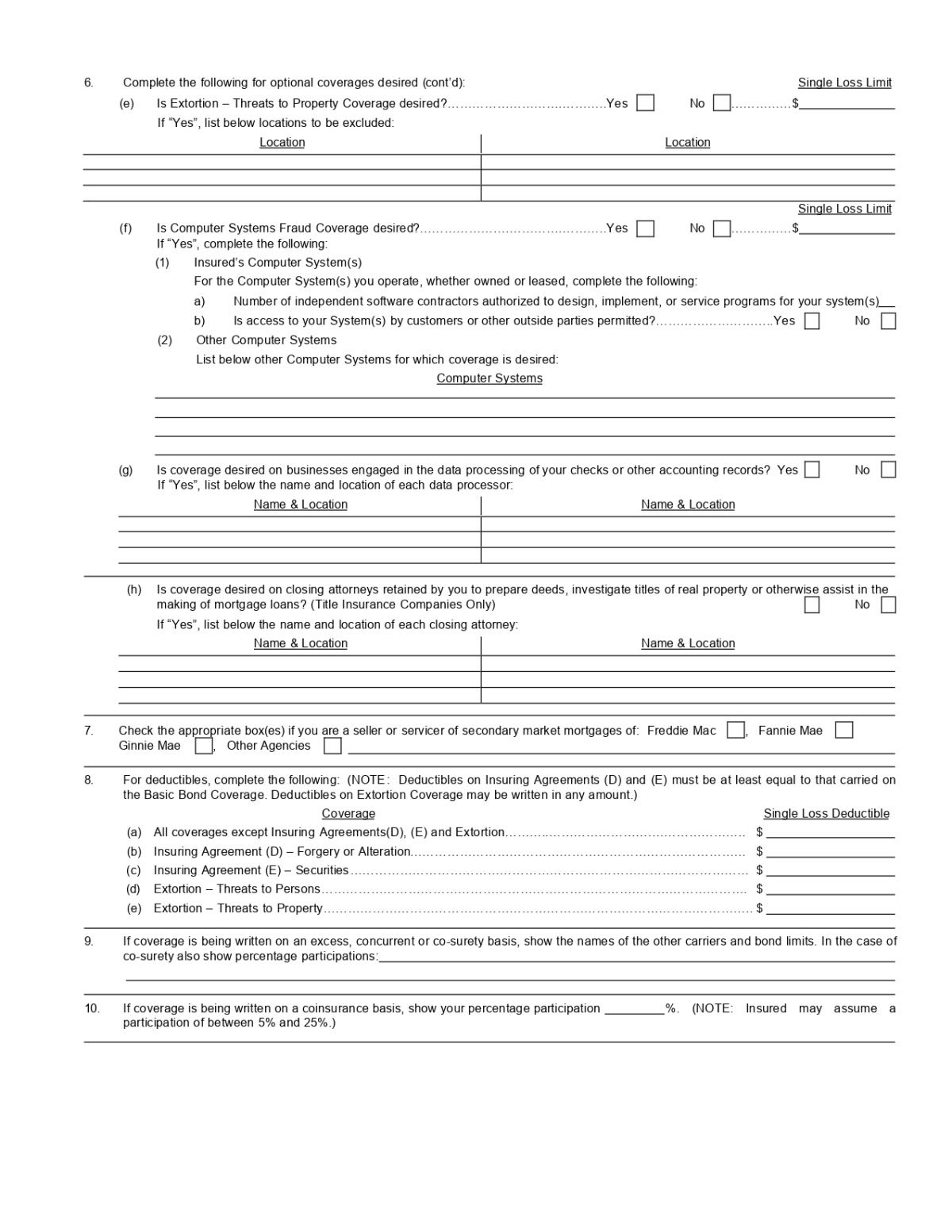
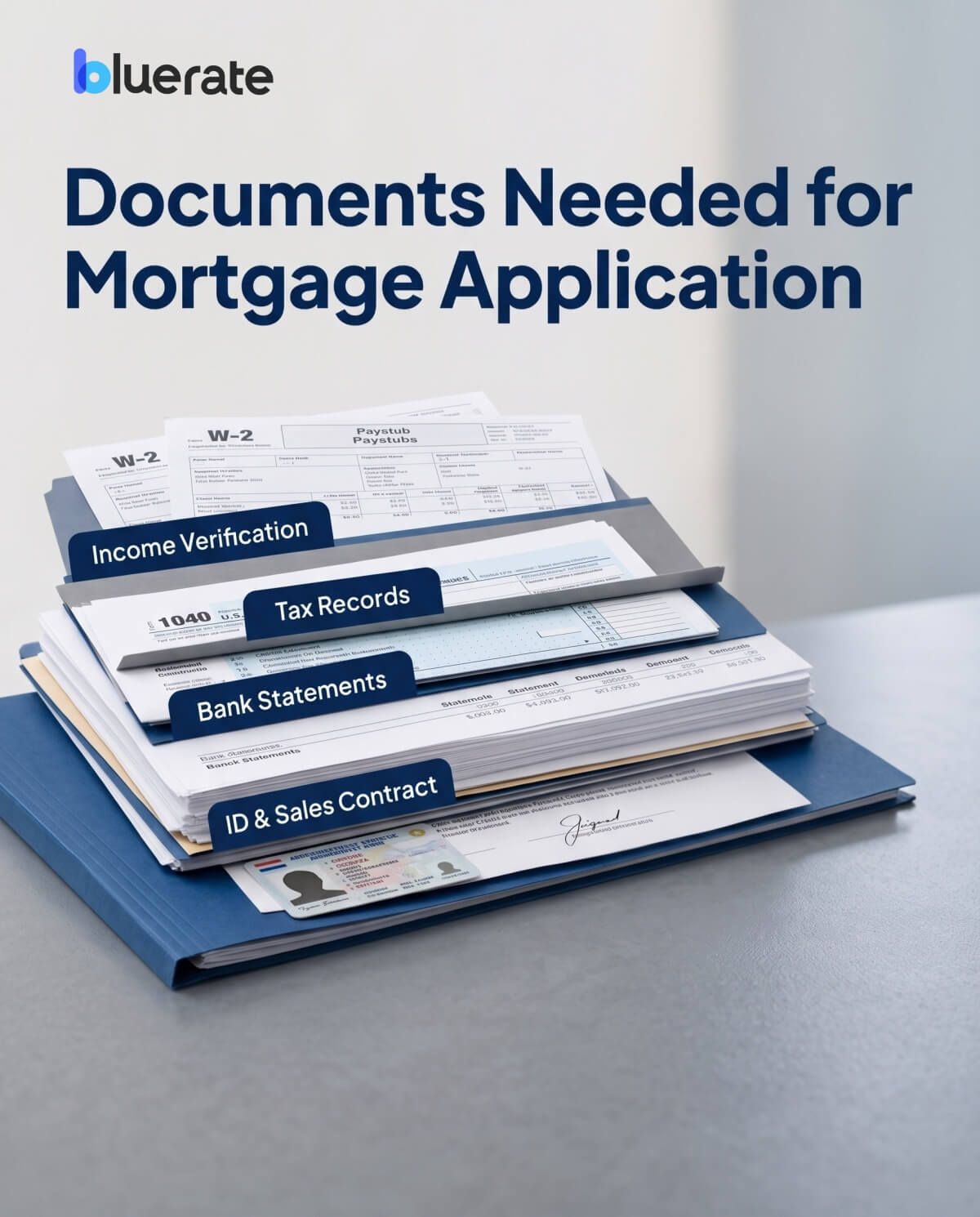
Almost every home loan in the US runs through Fannie Mae Form 1003, also known as the Uniform Residential Loan Application. The document looks dense at first glance, but it really just gathers five core categories of information:
-
Personal details: Basic background, including your legal name, Social Security number, marital status, and recent address history.
-
Work and earnings: Your employment track record over the past two years, covering base wages, overtime, bonus structures, or freelance earnings.
-
Assets and cash reserves: Where your down payment and closing costs are coming from, including checking accounts, savings, 401(k) plans, and gift funds.
-
Existing liabilities: All monthly debt obligations, like car payments, student loans, and credit card minimums.
-
Declarations: Straightforward yes/no legal questions about past bankruptcies, foreclosures, lawsuits, or co-signed loans.
The Example of a Mortgage Application
Let's say a buyer, Alex, finds a home and applies for a $320,000 mortgage. On his application form, he lists his $7,500 monthly salary, $450 car payment, and $45,000 in savings for a down payment. He signs off, granting permission to run his credit.
Once the loan officer enters these numbers, the formal clock starts. Under federal rules, the lender has three business days to send Alex a standardized Loan Estimate. This document translates his application into concrete terms: his exact projected interest rate, estimated monthly mortgage payment (covering principal, interest, taxes, and insurance), and the total cash he will need on closing day.
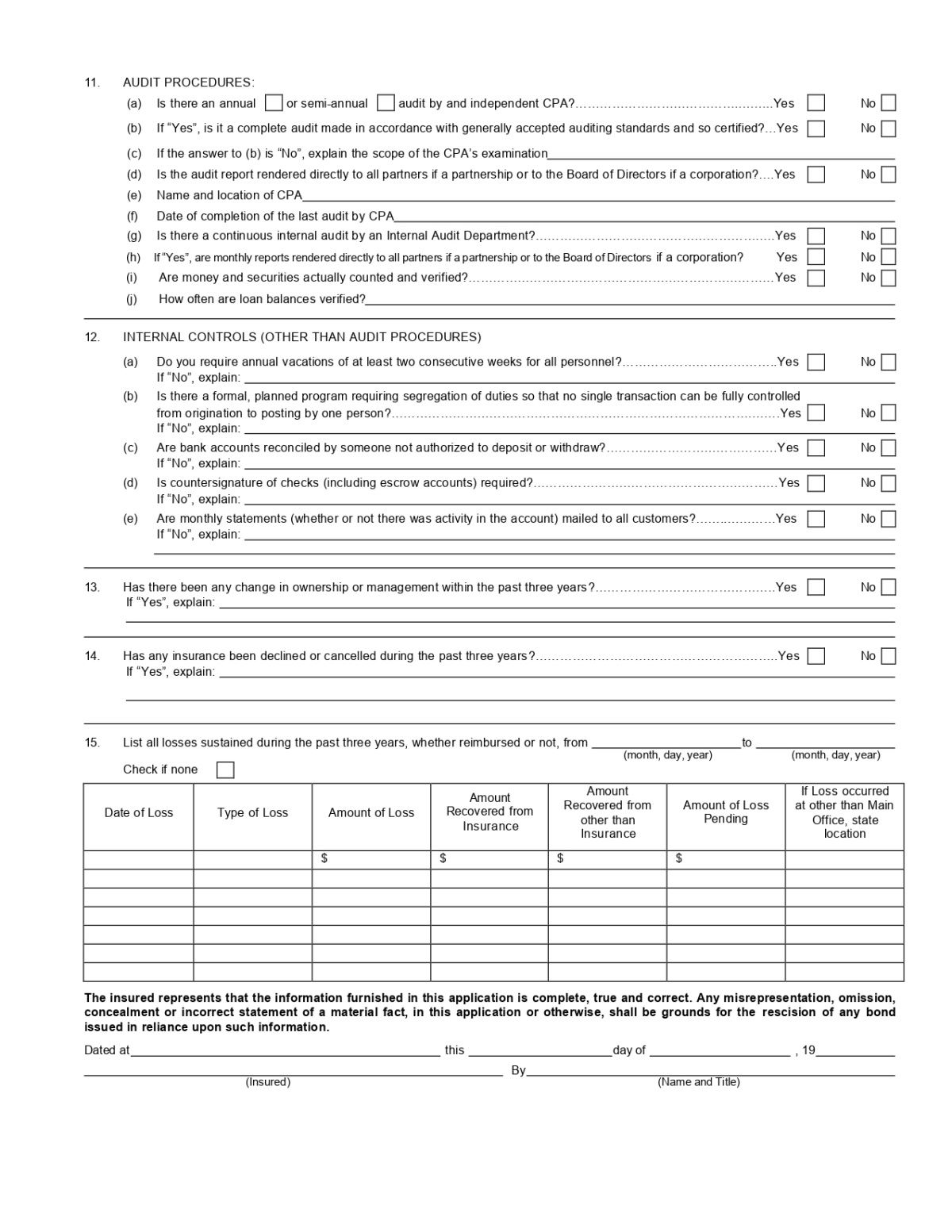
Documents Needed for Mortgage Application
Lenders will ask you to back up every single claim on your application with hard paperwork. In my experience, pulling these documents together a few weeks before applying saves days of back-and-forth headaches:
-
Income verification: Your most recent 30 days of paystubs and W-2 forms covering the past two tax years.
-
Tax records: Full federal tax returns with all schedules if you are self-employed, freelance, or earn rental income.
-
Bank accounts: Two months of complete statements for every checking, savings, and investment account (make sure not to leave out blank ending pages).
-
Identity and sales contract: A valid government photo ID along with the fully signed purchase agreement for the property.
Also Read: Documents Needed for Mortgage Application: Get 100% Ready
What Can Fail a Mortgage Application?
Even after your file moves to underwriting, a deal can fall apart quickly if your financial snapshot changes. Common reasons loans get rejected late in the game include:
-
Taking on fresh debt: Financing furniture, opening a new credit card, or buying a car before closing pushes your DTI ratio too high.
-
Job changes: Quitting, switching to a commission-only role, or going freelance resets your income history.
-
Unexplained cash deposits: Moving large, undocumented sums into your account without a clear paper trail of where the funds came from.
-
Low property appraisal: The lender's appraisal comes in lower than the agreed purchase price.
Tips for First-Time Homebuyers
If this is your first time dealing with a mortgage, sticking to a few practical rules will keep the process painless and save you money:
-
Get fully pre-approved first: Don't just settle for a quick pre-qualification. Get your documents pre-underwritten so sellers take your bids seriously.
-
Rate-shop multiple lenders on Bluerate: Reach out to local credit unions, online lenders, and mortgage brokers to compare terms and origination fees.
-
Freeze big spending: Avoid moving money around or making major purchases until you have the keys in hand.
-
Pull your credit reports early: Check for errors months ahead so you have time to fix disputes before submitting an application.
FAQs About Mortgage Application
Q1. How long does the mortgage application process take?
From the day you submit your application to the final closing table, it generally takes between 30 and 45 days. The exact timeline depends on how fast you supply missing paperwork, how quickly the home appraisal gets scheduled, and the lender's current processing volume.
Q2. What is the difference between pre-qualification and a mortgage application?
A pre-qualification is an informal estimate based on numbers you provide verbally or online with a soft credit check. A mortgage application is a formal legal submission that requires full documentation, a hard credit pull, and a detailed review by an underwriter before committing funds.
Q3. Can I apply for a mortgage if I am self-employed?
Yes, but expect extra scrutiny on your paperwork. Lenders usually ask for two consecutive years of signed personal and business tax returns (Form 1040 and Schedule C or 1120-S), an updated year-to-date profit-and-loss sheet, and several months of business bank account statements.
Q4. What credit score do I need to get approved for a mortgage?
It depends on the loan type. For conventional mortgages backed by Fannie Mae or Freddie Mac, lenders typically require a 620 minimum. Government-backed FHA loans offer more flexibility, approving scores down to 580 with a 3.5% down payment, or 500 with 10% down.
Q5. Does applying for a mortgage hurt my credit score?
Yes, submitting a formal application triggers a hard credit inquiry, which might drop your score by a few points. However, credit scoring models treat all mortgage inquiries made within a designated shopping window as a single pull. This window is 14 days for older FICO scoring versions and 45 days for newer versions, so comparing multiple lenders within that timeframe won't compound the damage to your score.
Final Word
Applying for a mortgage doesn't have to be a stressful black box. When you know what paperwork lenders want and keep your finances steady during review, the entire transaction runs smoothly. Take the time to gather your documents early, shop around for competitive rates, and ask your loan officer plenty of questions. With the right prep, you will cross the closing finish line without any surprises.
People Also Read
